Itala
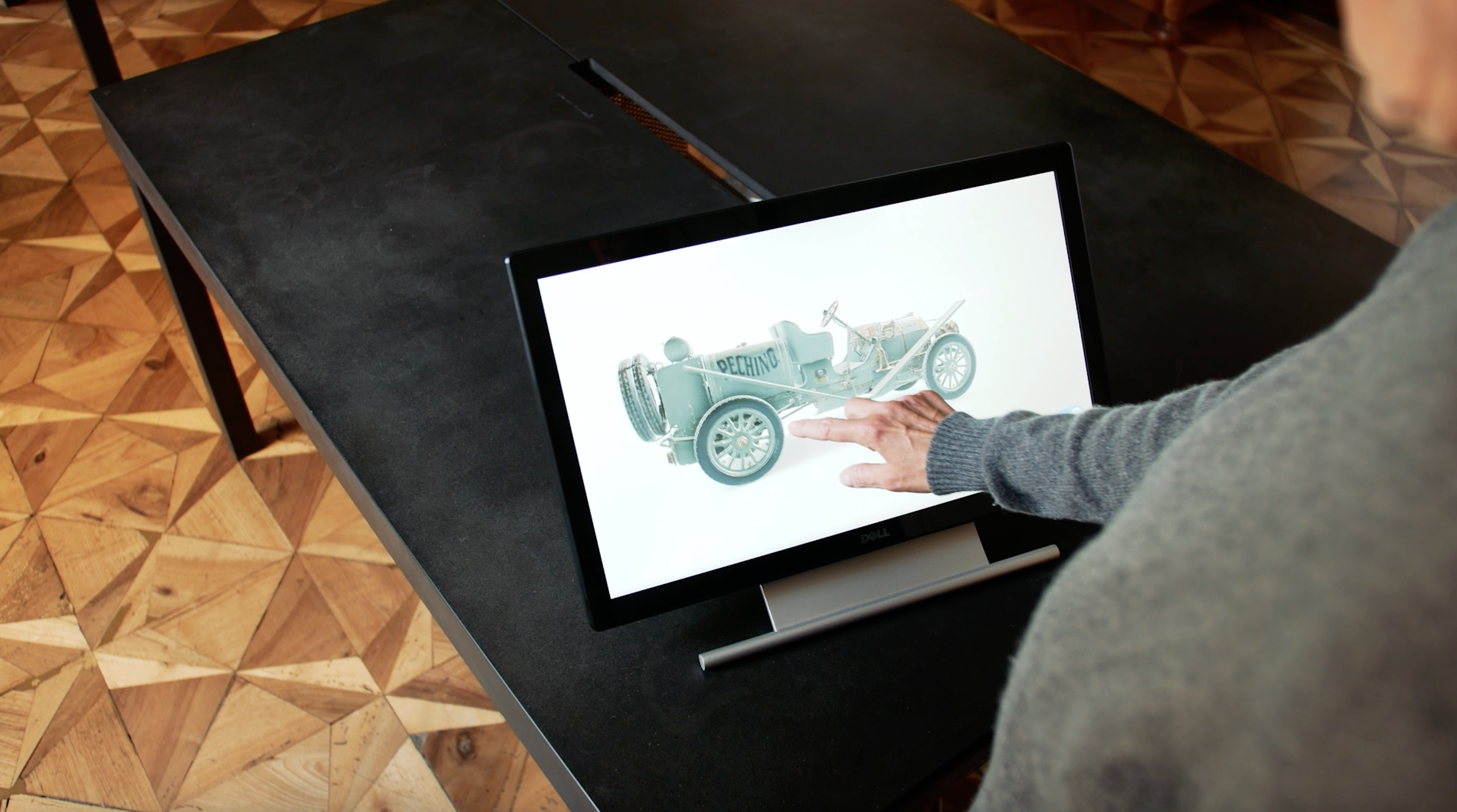
What if digitizing historic artifacts allowed us to craft virtual experiences beyond what traditional museum allow?
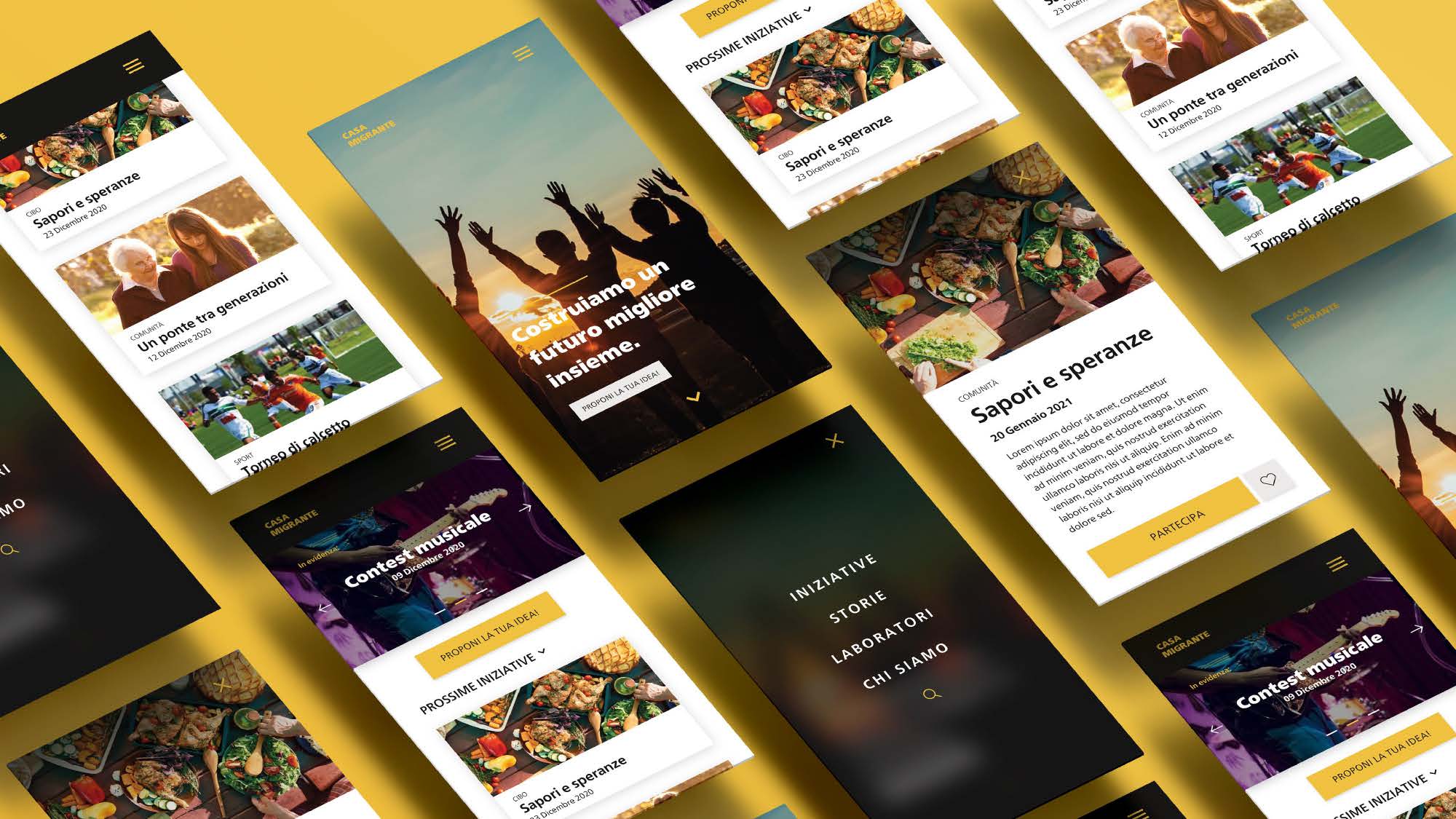
Forced migration is an incredibly pressing issue worldwide, yet political narratives often cast migrants in a toxic light and integration efforts remain limited. UNHCR's Global Trends 2019 report published reports 79.5 million people displaced worldwide and 26 million refugees among them. While the numbers indicate a dramatic situation, they fail to paint the full, more complex picture made of individual and collective stories, faces and names, violence, abuse, poverty and misery, coercion and power.
Migrants struggle to rebuild communities and social capital in their new homes, while members of host communities lack meaningful opportunities for cultural exchange and understanding. This has resulted in a lack of initiatives and spaces that foster inclusive relationships and collaborative value creation between migrants and locals. Migrants are often viewed through the lens of resources and problems to be managed, rather than as fellow community members with skills and stories to share.
The research process revealed the need for an inclusive space that fosters collaborative relationships and generates opportunities for cultural exchange between migrants and locals. This would allow migrants to rebuild social capital while offering host communities a way to engage meaningfully with integration processes.
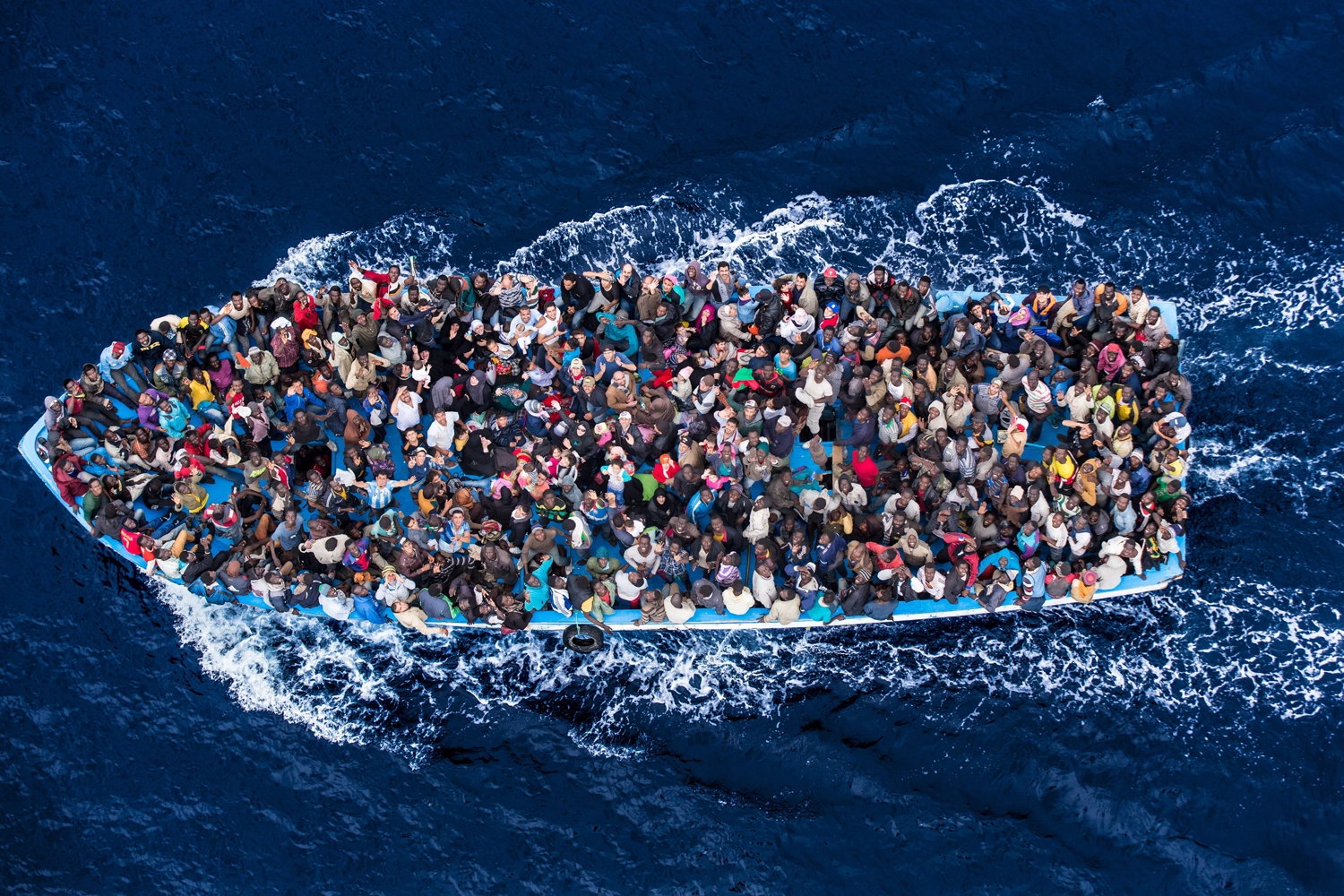
To achieve this, the Casa Migrante project proposes a digital platform that serves as an extension and support of a physical space for encounters. The platform aims to facilitate a constellation of initiatives, workshops, thematic groups and content creation between migrants and locals.
The goal is to generate a collaborative model of inclusion where the relationship between migrants and residents evolves into a cooperative service that creates value for all stakeholders. The initiatives and content generated within the space would help reshape narratives around migration and cultivate understanding between communities.
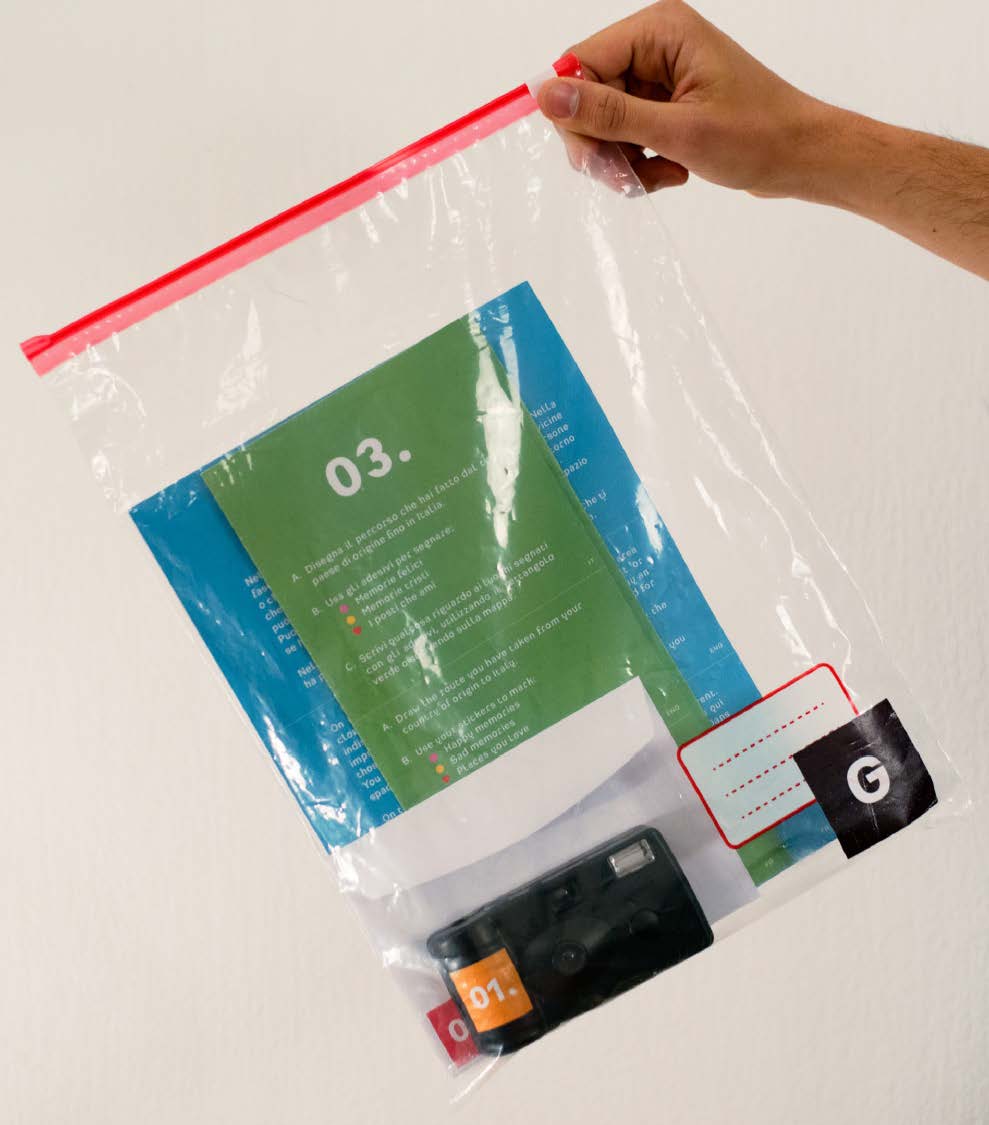
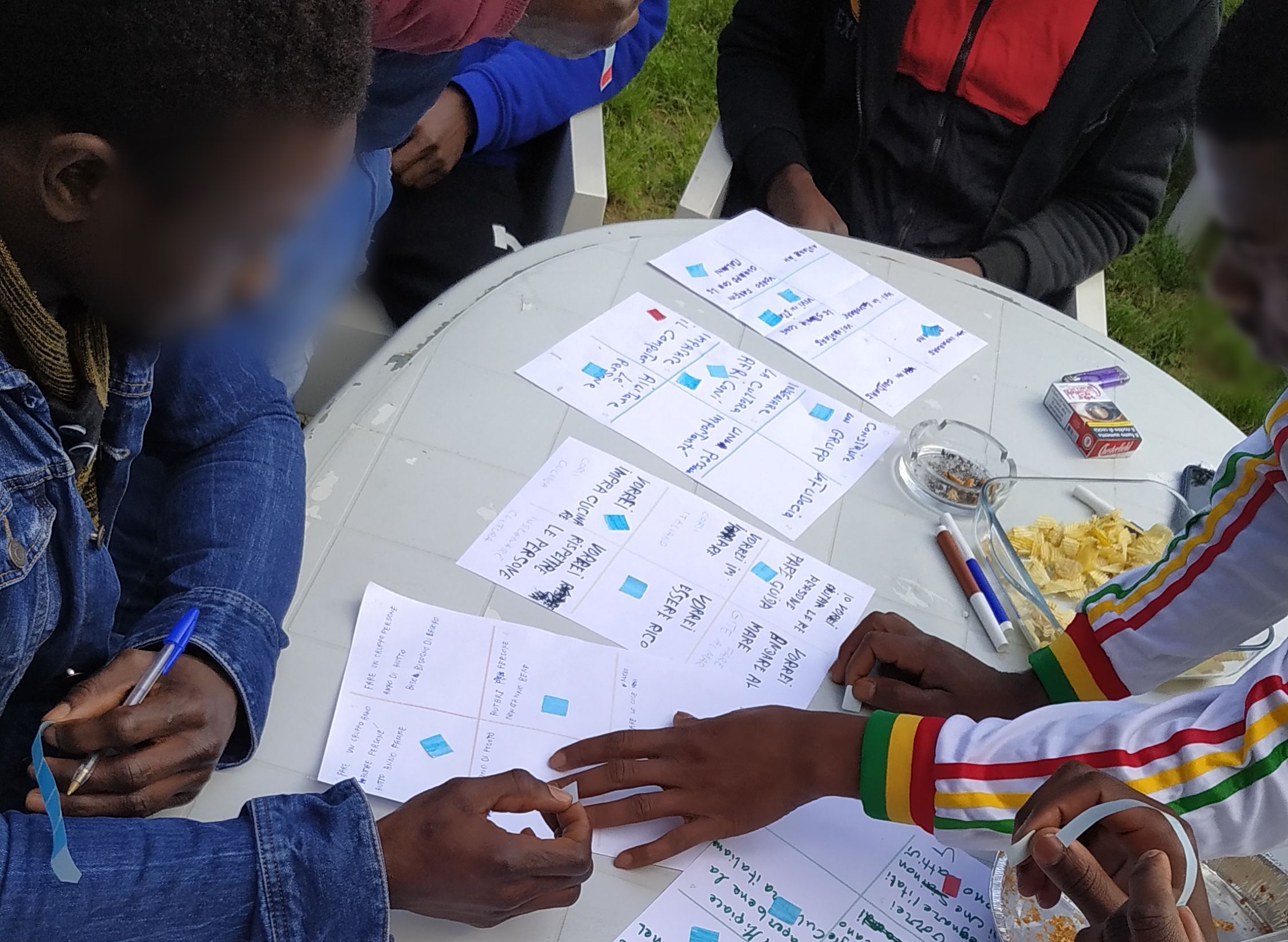
The cultural probes, interviews and participatory workshops revealed participants' desire for cultural exchange, knowledge acquisition and opportunities for migrants to actively contribute to their new communities. The insights informed the conceptualization of Casa Migrante as an open collaborative space that supports migrants in rebuilding social capital while fostering connections with locals.
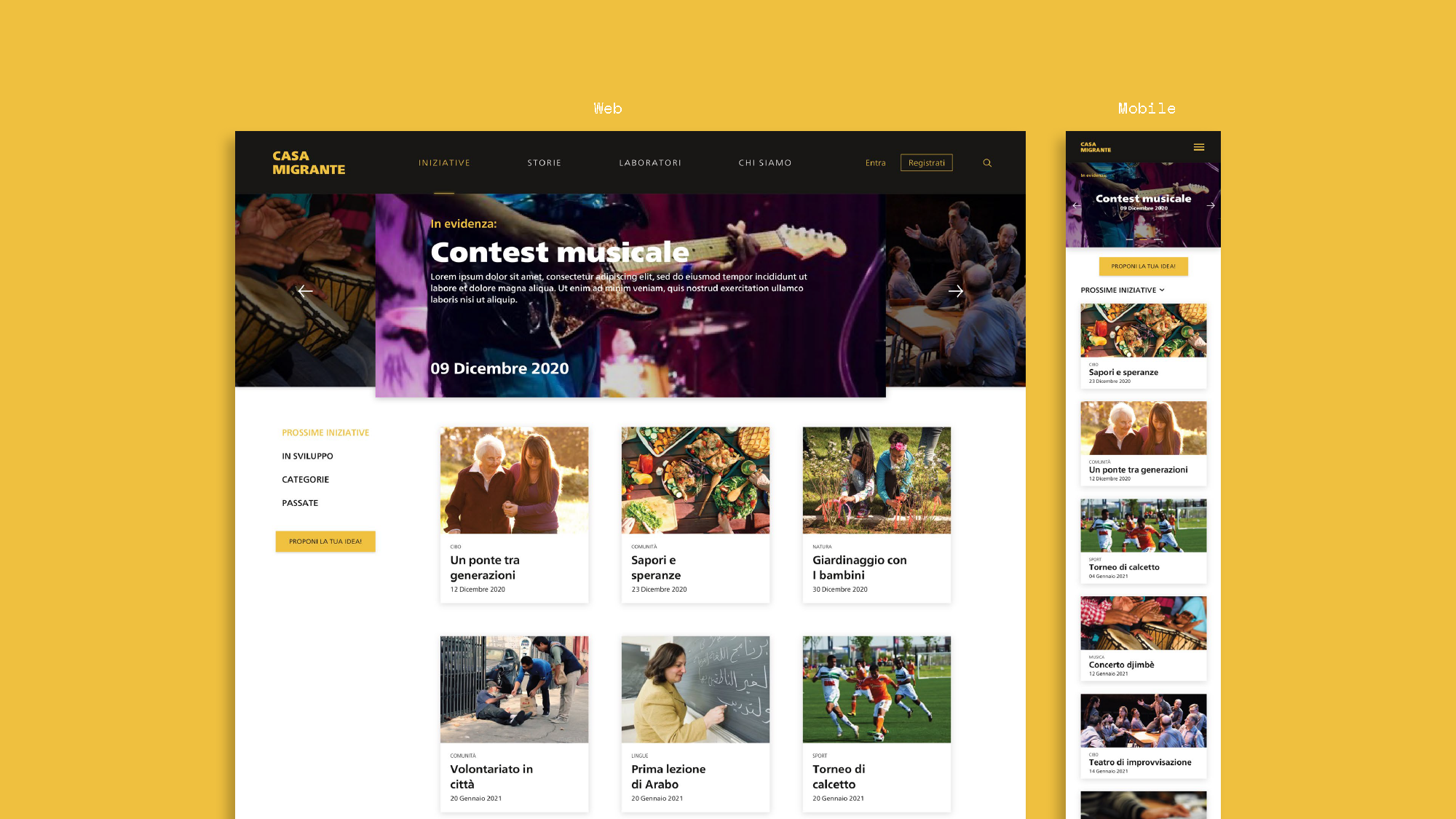
A figma prototype of the Casa Migrante digital platform was created and presented as a first conceptualization of the proposed solution. Early tests with 6 participants revealed useful feedback for improving the platform's comprehensibility, usability and ability to meet user needs. However, since participants did not represent the platform's specific target audience, these tests were only preliminary.
The feedback obtained pointed to areas for improvement such as increasing visibility of buttons, providing notifications and explanations, clarifying roles and moderating content, marking differences between supporters and attendees more clearly, and incorporating a system for anonymous proposal of initiatives.
While initial feedback was promising, more rigorous usability testing specifically with migrants and locals is needed to validate the design, gauge its effectiveness, and iteratively refine it based on target users' lived experience. Further collaboration with relevant organizations will also be important to develop and sustain the platform and physical space as a 'commons.'
Migrants are often treated as "colonial subjects" in need of intervention by designers and researchers. While participatory design holds promise for empowering migrant agency, questions remain around how best to center their needs, validate their perspectives authentically and open up processes of synthesis and meaning-making. With sensitive facilitation, frequent checking-in and a commitment to including migrants directly from the start, participatory design can help shift power dynamics and cultivate truly empowering and ethical solutions. However, navigating these tensions requires ongoing critical reflection.