.png)
Autonomous Shuttle UX
What if an intuitive HMI system could help passengers feel safe and confident while riding inside an autonomous shuttle?
Museums face the challenge of balancing object preservation with public accessibility. While technological advancements have made preservation tasks more feasible, digitization efforts have been limited mainly to archival purposes. There remains a lack of solutions for making collections widely accessible in engaging yet safe ways.
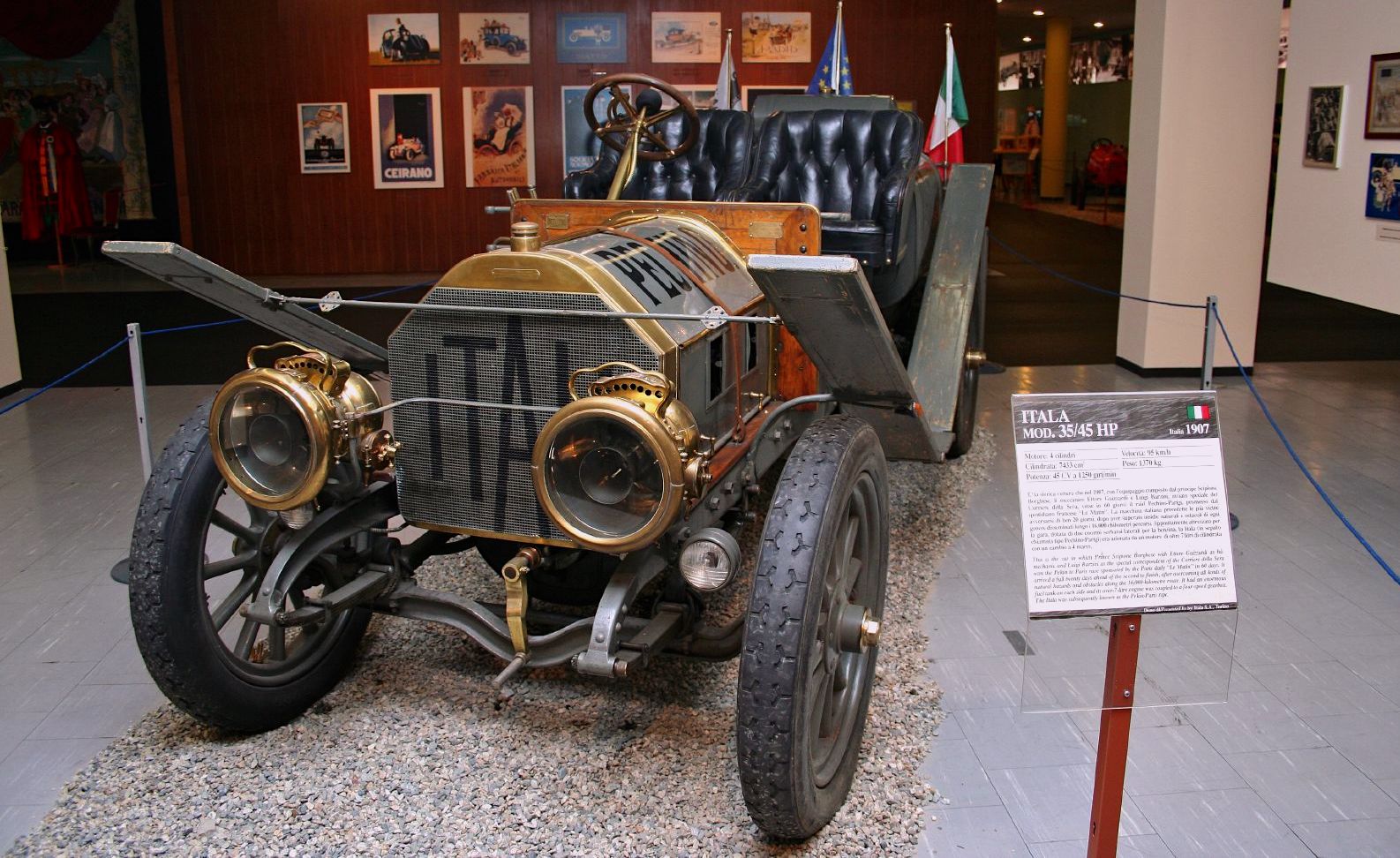
The Itala 35/45 HP, a historic vehicle at the Museo Nazionale dell'Automobile di Torino, which became famous for its victory in the Beijing-Paris Raid, offered an opportunity to explore this possibility.
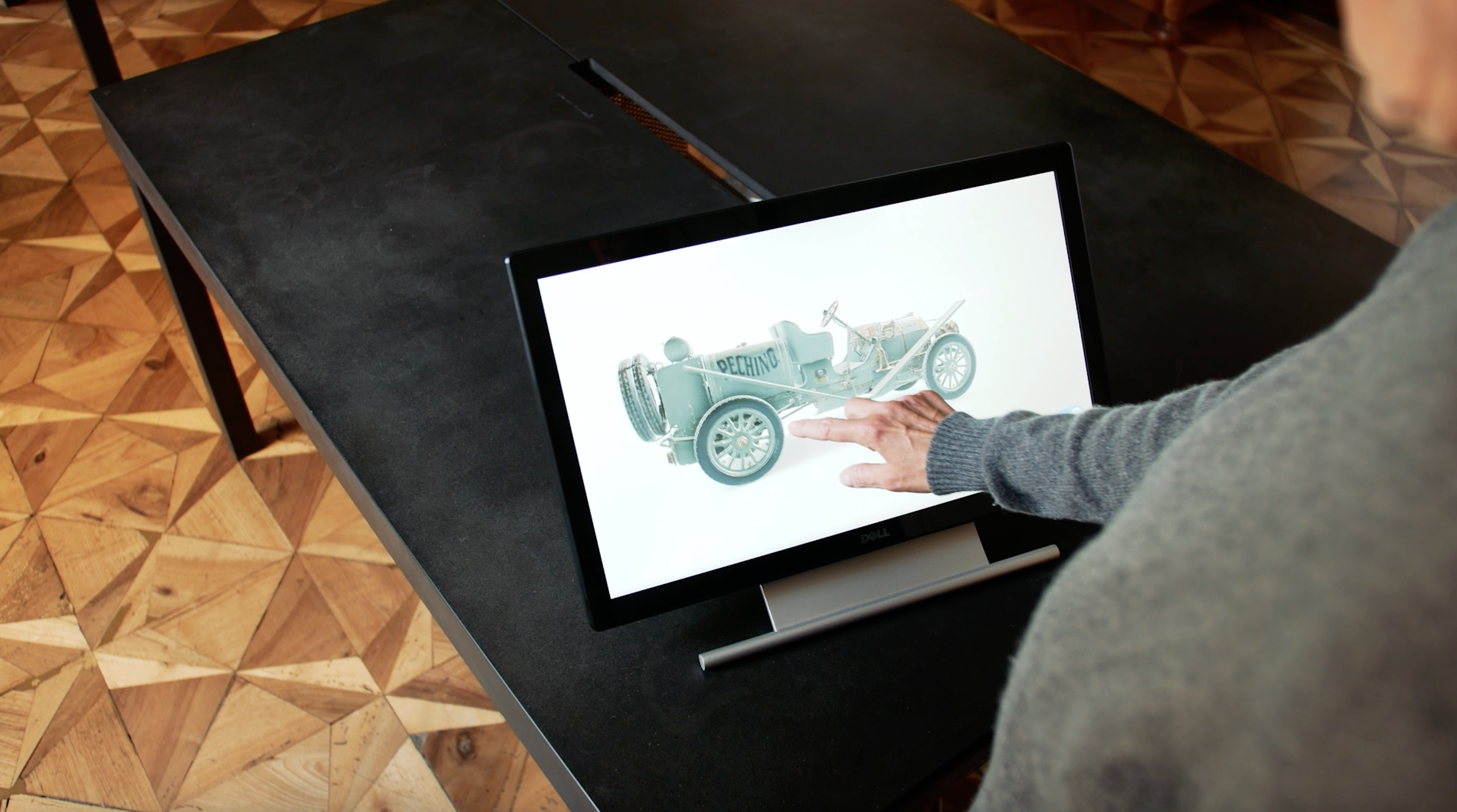
Through 3D scanning conducted by our partner Adhoc 3D Solutions, we created a digital replica of the Itala vehicle within an interactive virtual environment built in Unity.
The touchscreen interface allowed users to freely explore this digital model from any angle. Contextual information about the Itala appeared via pop-up boxes activated by tapping marked points, providing an immersive experience of discovering details about the vehicle as one navigated the 3D space.
The project aimed to demonstrate how digitizing a historic artifact could create a novel digital experience, bringing the object to life in a captivating way and exploring new ways for visitors to engage with a museum piece.
A digitally-mediated approach could also help the museum extend its reach and impact by transforming static collections into dynamic platforms for knowledge sharing.
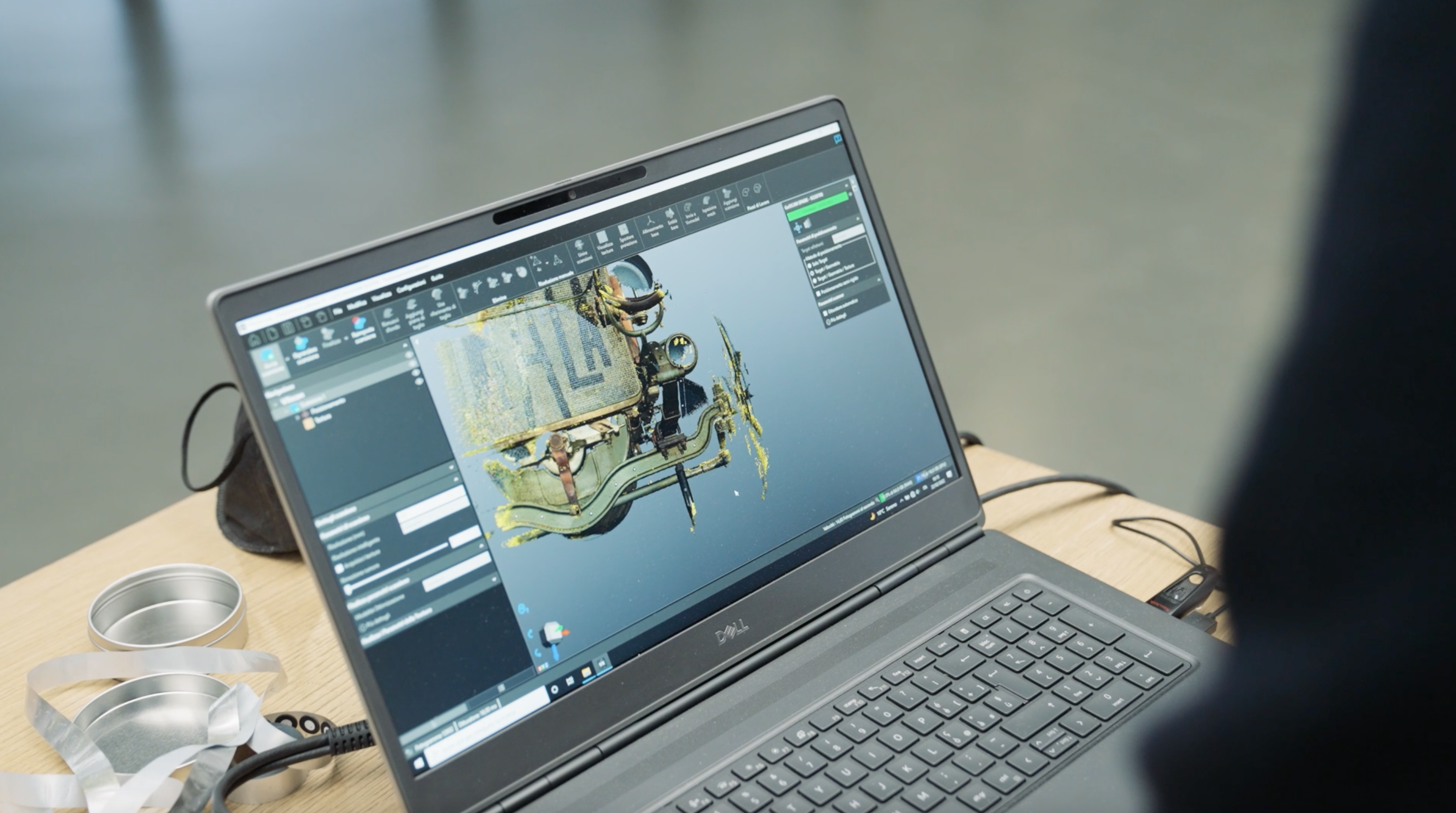
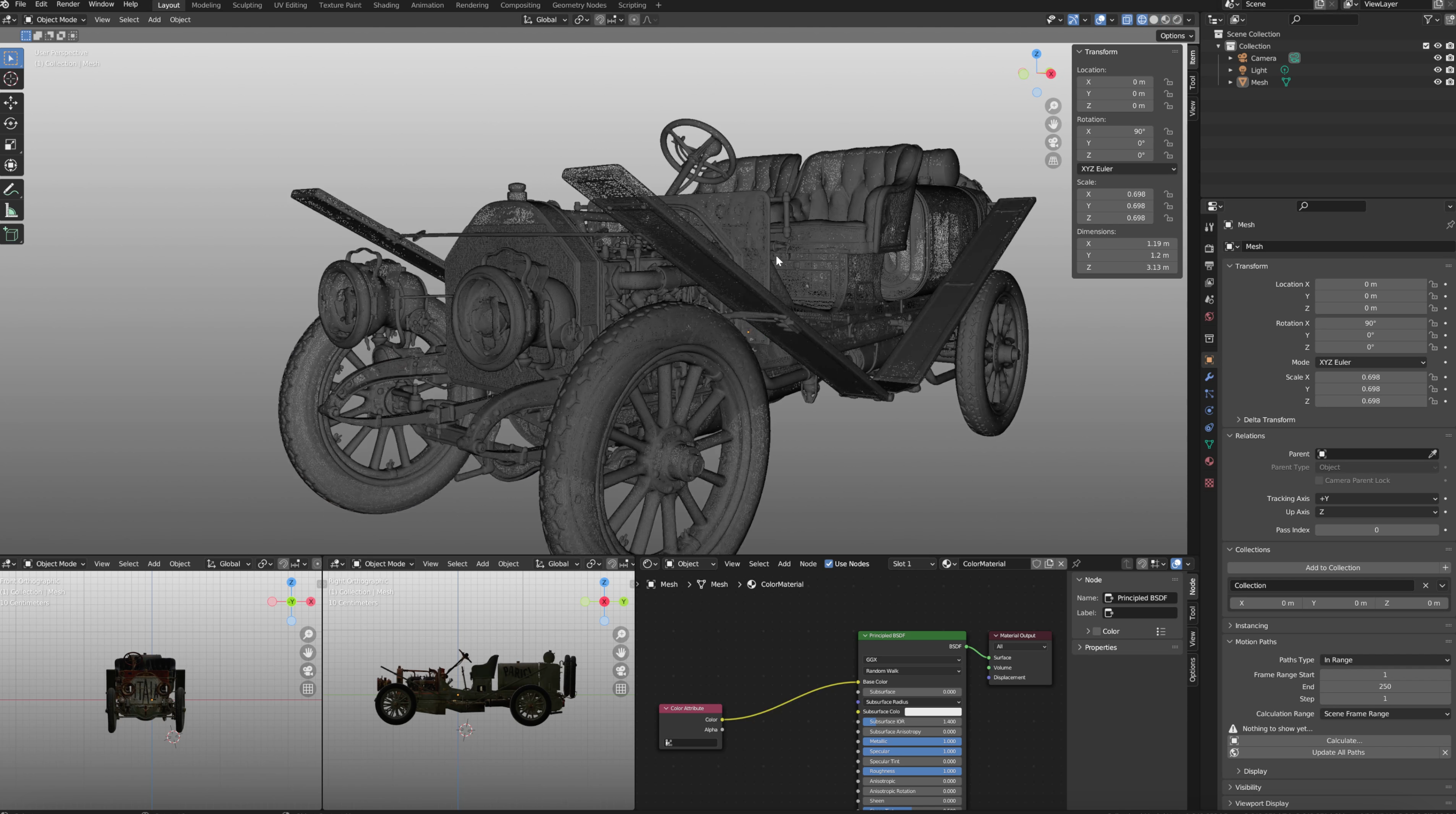
The Itala 3D interactive environment allowed us to experiment with a pipeline going from 3D scanning, to Unity, to an interactive web app. The main result was demonstrating the potential of this approach to bring museum artifacts to life in an immersive and engaging way.
The focus for this proof of concept was developing an experience that could work for any artifact in an identical manner. However, this led to solutions that partially failed to truly showcase the uniqueness and history of the Itala itself. More effort toward tailoring the experience precisely for the Itala – focusing on what makes that vehicle special – would likely have resulted in a more engaging and effective showcase of the vehicle specifically.
A truly scalable and adaptable solution requires two key elements: flexible technological building blocks and tailored creative concepts for each individual application. The initial proofs of concept focused more on the former at the expense of the latter.