Esedra & Canton dei Fiori
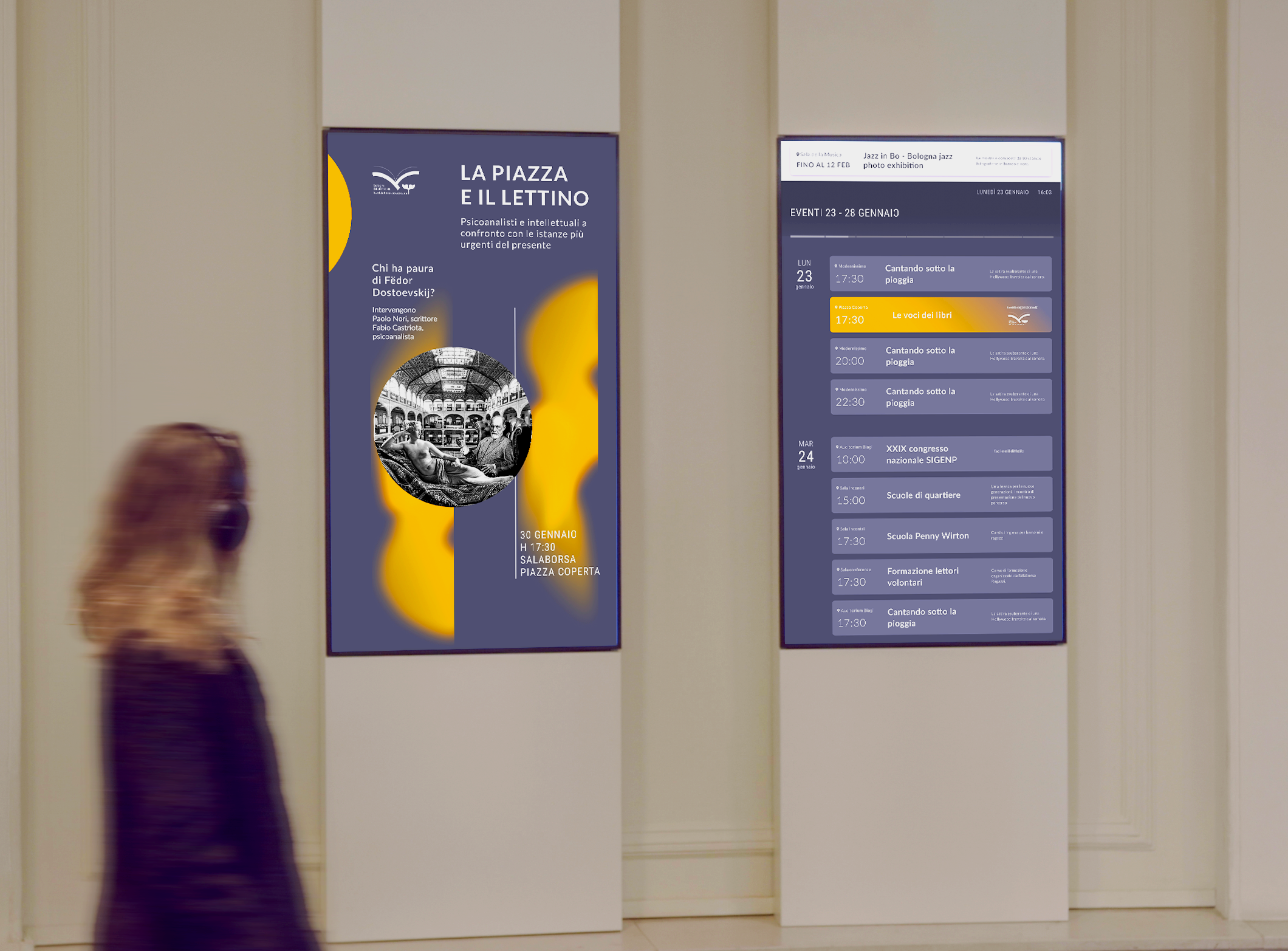
What if tailored digital signage system could help distinct cultural entities effectively coordinate their communication within shared spaces?
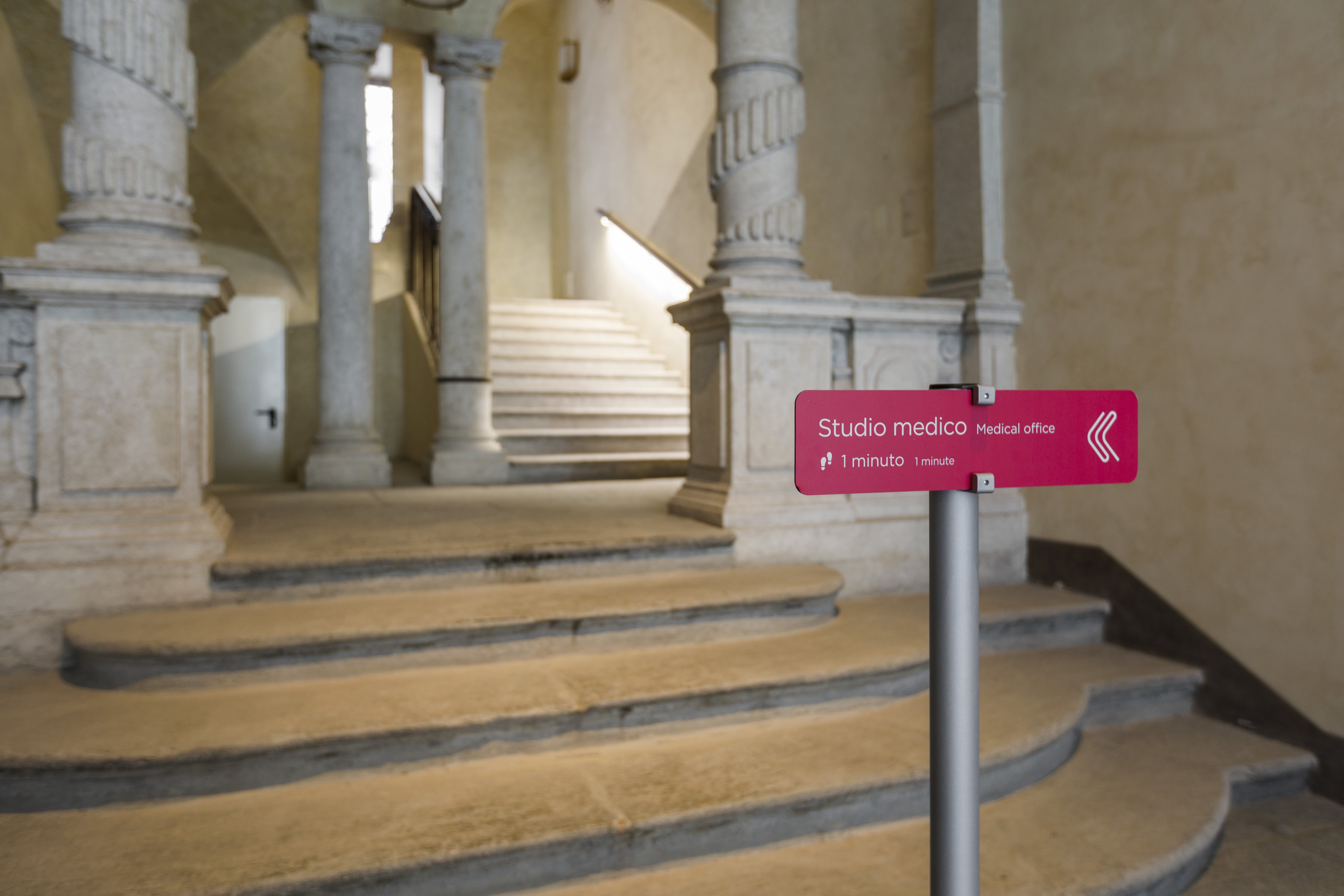
The Cultura di Base project is an experimental initiative launched within the Well Impact program of the Compagnia di San Paolo Foundation. The project aims to explore new connections between healthcare and culture that can benefit both sectors.
Despite advancements in medical technology, patients still often experience stress and discomfort during medical visits. Medical clinics are typically designed with a clinical aesthetic that can feel sterile and unwelcoming. The waiting room is often the first point of contact for patients and can be a source of anxiety due to long wait times and lack of privacy. The traditional doctor-patient relationship can also be impersonal, with little opportunity for cultural engagement or personal connection. Furthermore, the COVID-19 pandemic has highlighted the need for better healthcare experiences that prioritize patient safety and comfort. The Cultura di Base project seeks to address these issues by transforming medical clinics into culturally-rich spaces that enhance the patient experience and improve doctor-patient relationships.
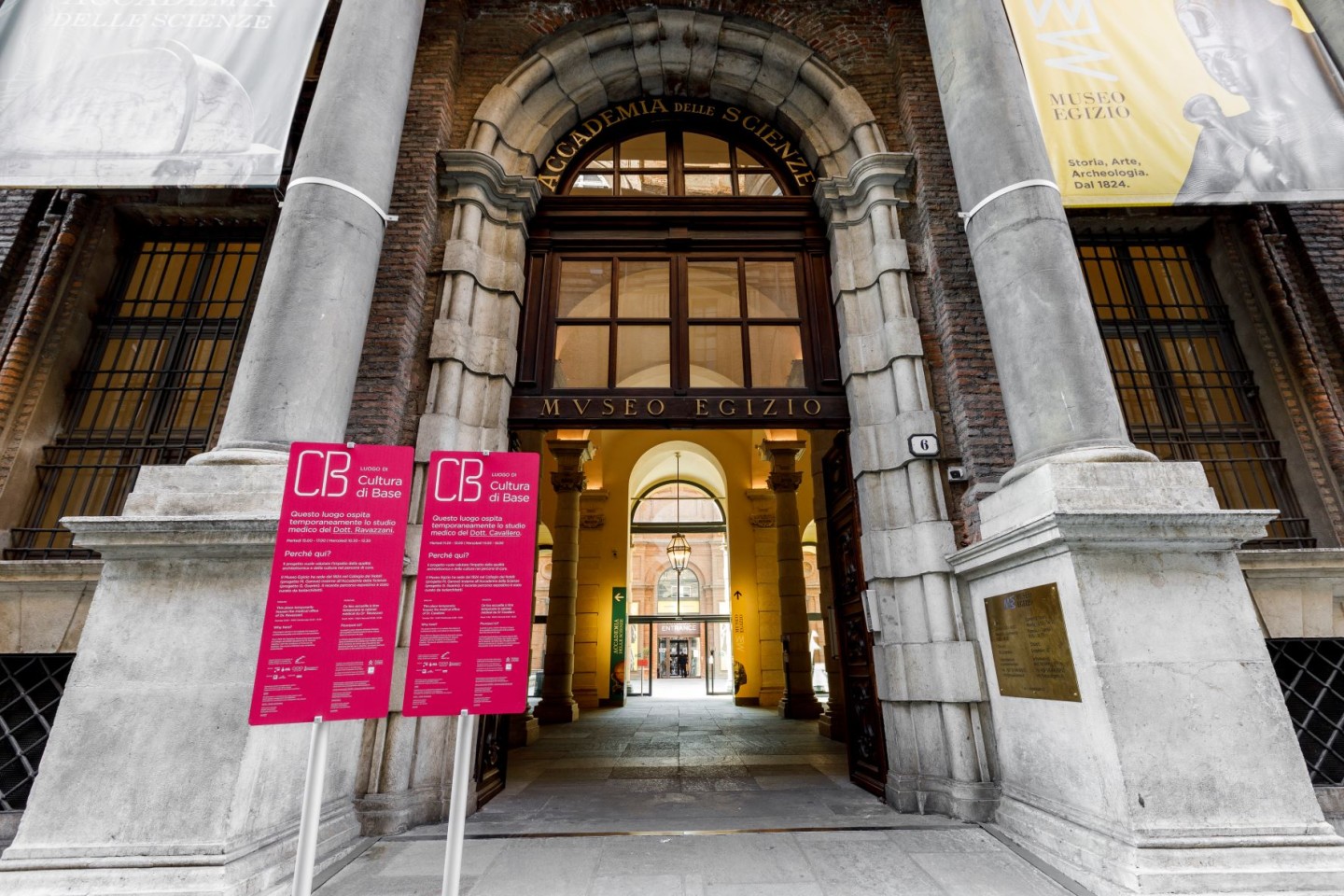
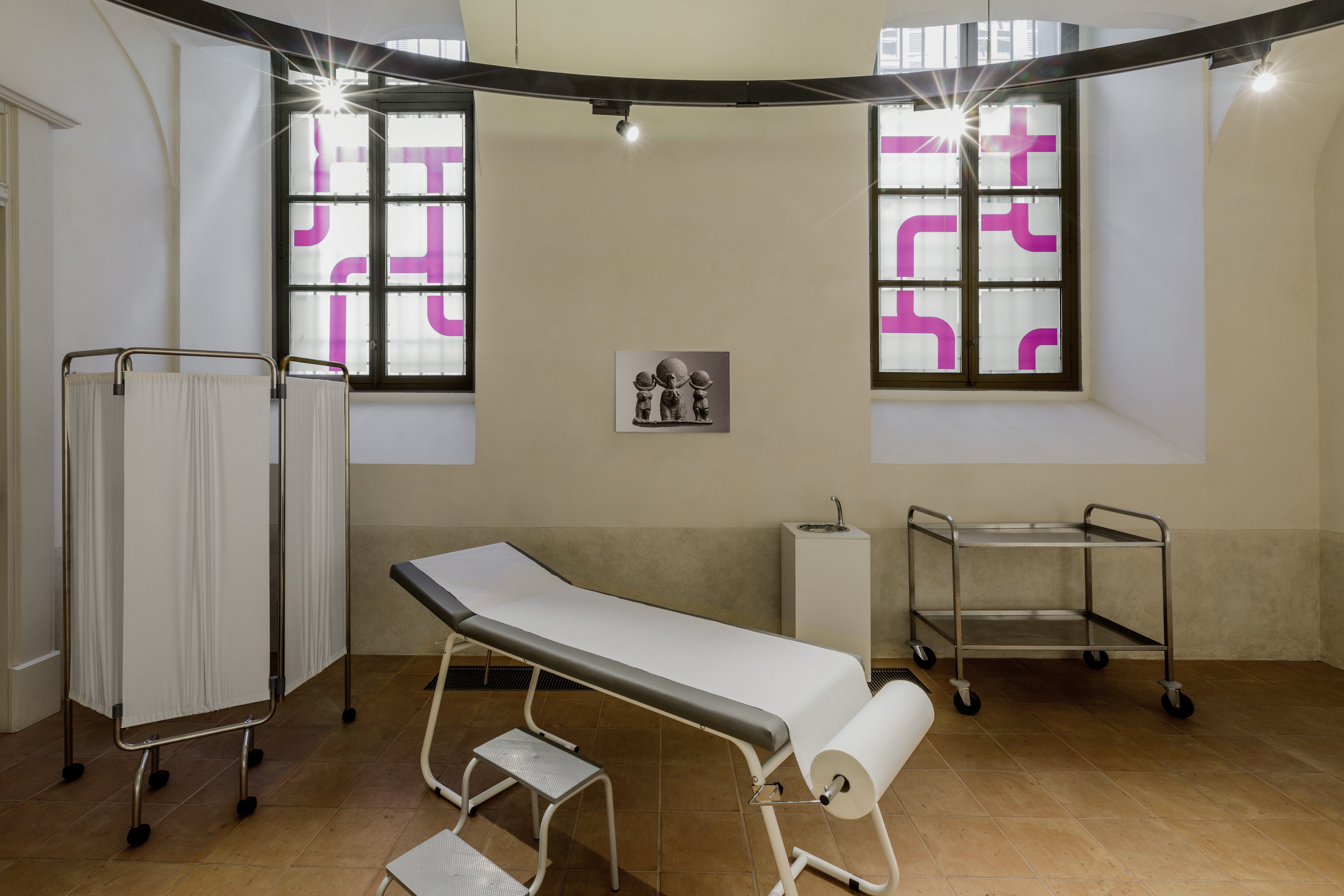
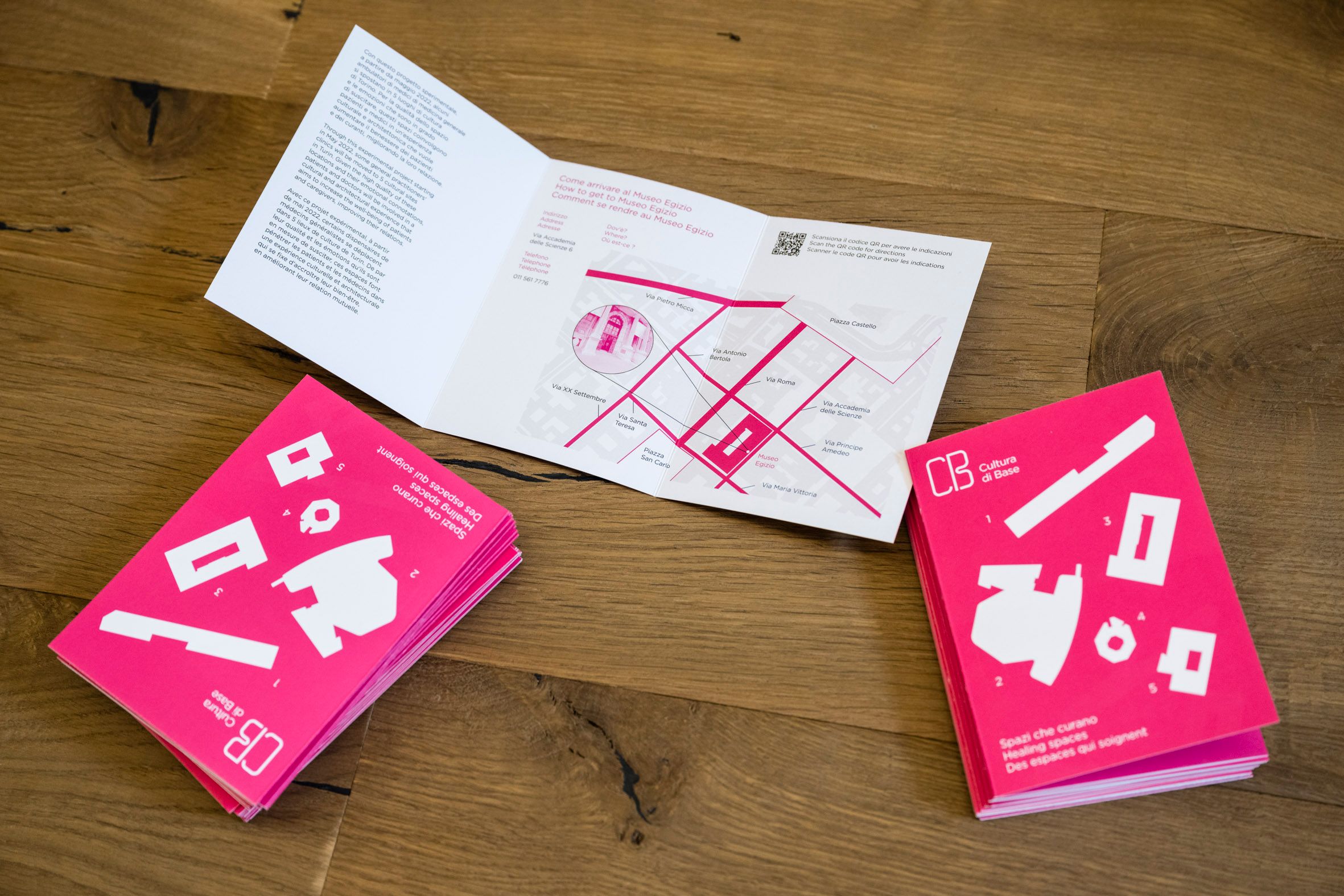
The Cultura di Base project aimed to address these multifaced problems by temporarily transforming select museums and cultural centers in Turin into doctors' offices. Doctors and patients were invited to experience medical visits in these inspiring spaces, surrounded by art and culture.
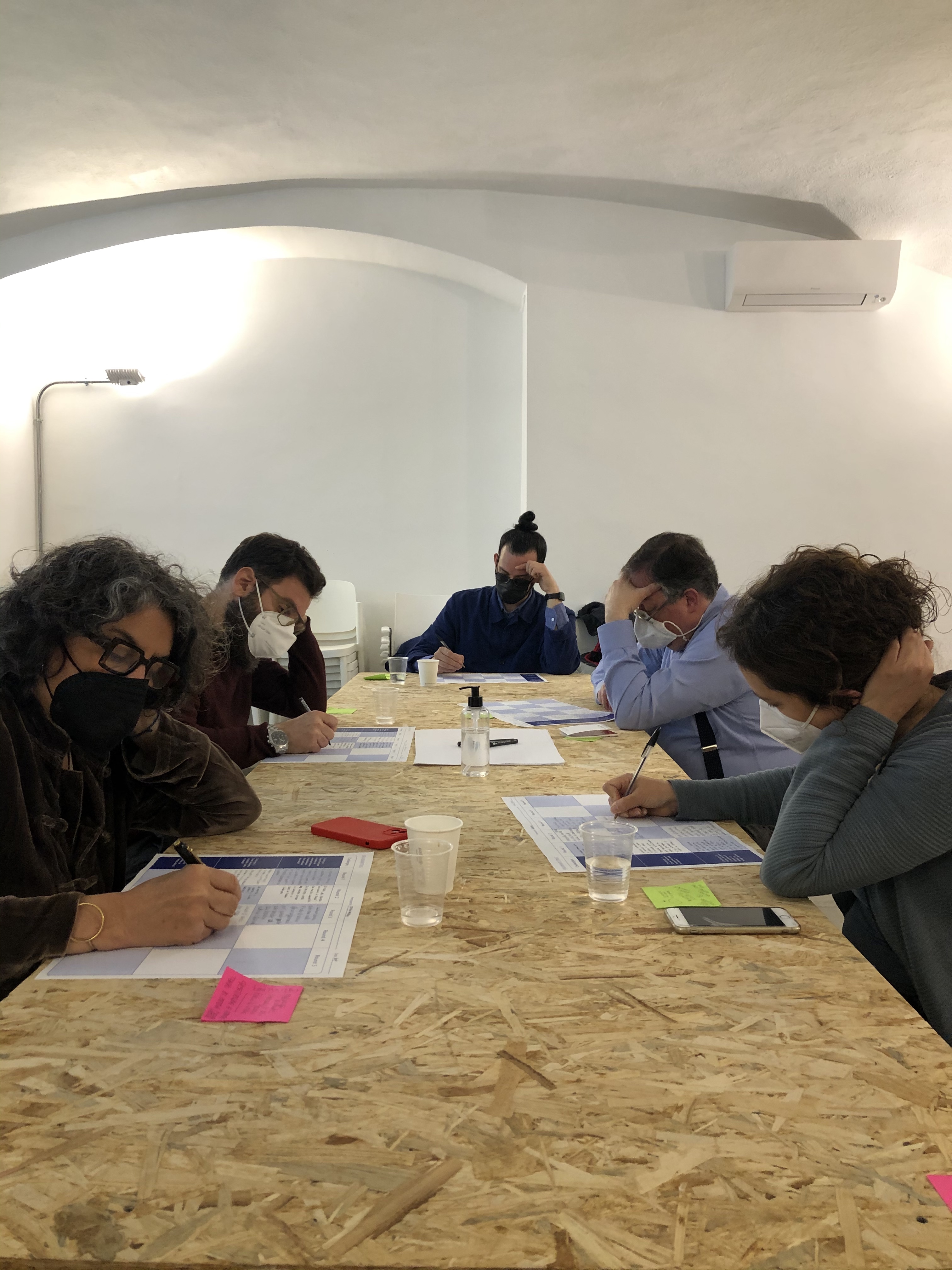
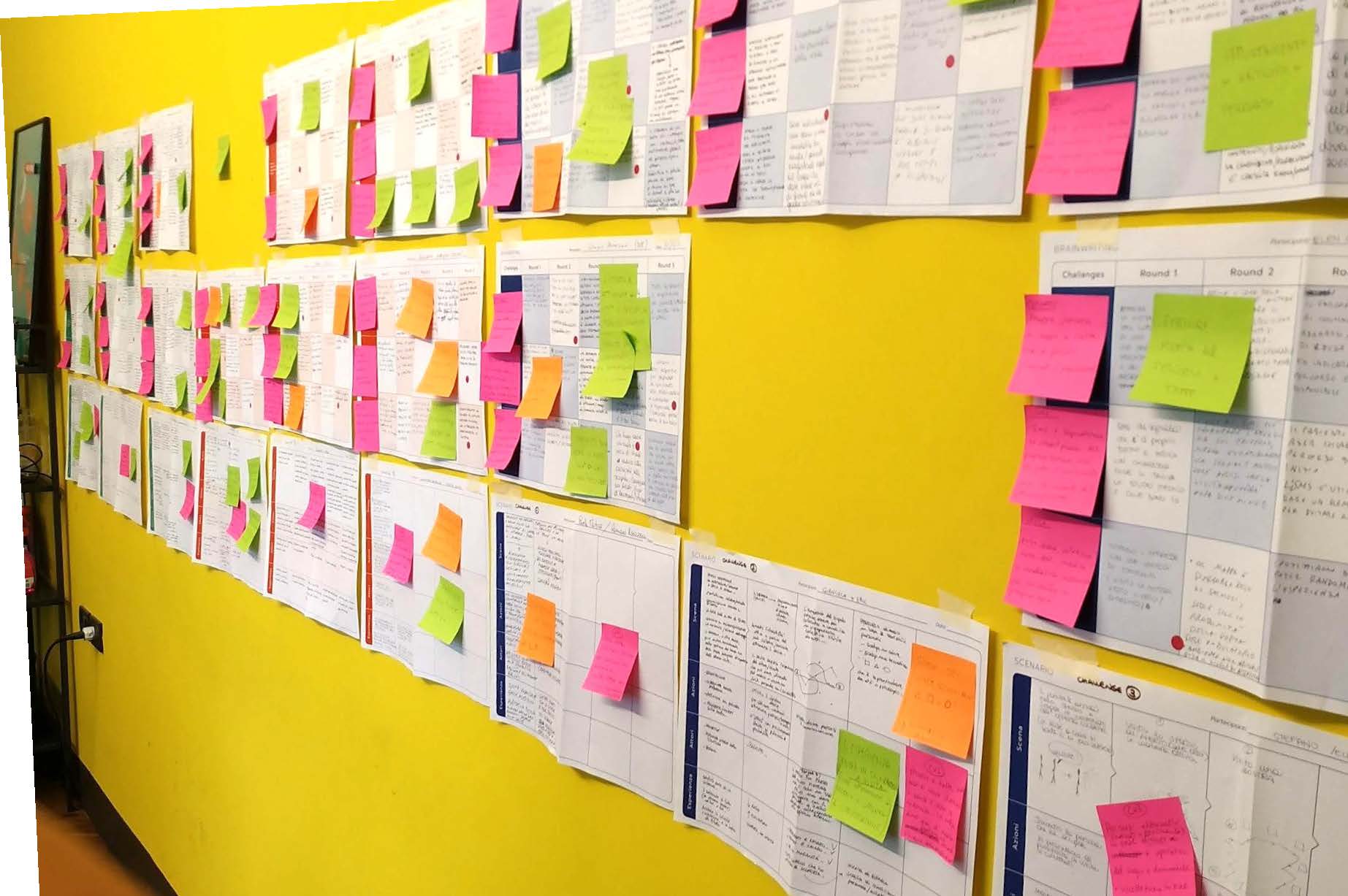
We conducted extensive user research, including in-depth interviews with patients, doctors, and operators of cultural venues. We also organized a workshop that brought together these key stakeholders to identify needs and possible solutions. Through this user engagement process, we determined that improving the care experience and reducing patient discomfort were fundamental objectives.To achieve these objectives, we designed an innovative care space by moving medical clinics to five important cultural venues in Turin. This unique solution offered patients a multisensory experience that generates well-being, learning, and better relationships with doctors. Site visits to museums highlighted the need for a clear and reassuring orientation and communication system for patients, so we included trained volunteers to guide and assist patients.
By fusing medical care and cultural experience, the project strove to pioneer a new model of enhancing community health and connection.
The Cultura di Base pilot yielded promising initial outcomes. Patients reported improved mood and wellbeing after visits, especially regarding reduced waiting times, but no major effects on doctor-patient relationships were observed.While ambitious goals were not fully achieved, the experiment showed cultural centers' potential value for enriching healthcare. Insights gained provide a foundation to build upon. Participants expressed enthusiasm for the innovative approach. Interest from cultural, medical and architectural partners suggest potential for wider impact.
In conclusion, while some metrics fell short, the experiment pointed to untapped synergies at the intersection of culture and healthcare with potential for transformative impact beyond traditional metrics. The project lays the groundwork for delivering more humanized and culturally connected healthcare experiences going forward.
Delivering a culturally enriched medical experience that met patients' needs presented a fundamental challenge. Reconciling the divergent needs of patients, doctors and cultural institutions also proved difficult.
Gaining buy-in from cultural institutions and doctors required building awareness of the benefits for patients.
Generating insights to inform responsibly scaling the model while maintaining patient centricity proved complex. A human-centered approach from the start would have likely resulted in a more patient-centered model.
Going forward, embedding this approach will be critical to refine the model into one that truly delivers on its promise of culturally enriching and humanizing healthcare experiences.
In summary, co-design and user research have been vital to navigate challenges in an ethical way and cultivate support for the Cultura di Base concept from stakeholders. Embedding these practices moving forward can optimize the model to maximize benefits for patients.