

MD Create
What if surgeons and technicians could seamlessly collaborate through a platform that provides real-time communication and data sharing?

The Inclusion Lab is a non-profit organisation that aims to promote inclusion and diversity among people with disabilities and non-normative abilities.
In an attempt to support their mission, students from the University of Malmö's Interaction Design Master's programme collaborated with the Inclusion Lab for two months through an open project. We identified intervention areas and developed solutions without a predefined brief.
Several co-design workshops followed, each time with different objectives — exploring the structure of the lab and its internal roles, better understanding their ultimate goals and their vision — and for which, each time, different tools were created.
During this process, it emerged that the Inclusion Lab's main challenge was getting beyond their safe space, overcoming their sense of fragility and fear of failure. They seemed to lack techniques for facilitating constructive conversations with diverse actors.
The solution involves creating a toolkit of activities and methods for different purposes: to activate conversations with external stakeholders, facilitate their involvement through tailored tools, and support constructive development of these discussions.
The toolkit builds on Inkluderingslabbet's existing methods and tools created during exploratory workshops with students. It was co-designed with Inkluderingslabbet's members and tested with participants at Inkluderingslabbet's annual conference.
The iterative process led to the creation of a toolkit and its presentation as a solution to help Inkluderingslabbet overcome their main challenge: engaging external actors by developing effective methods and techniques.
The toolkit provides the tools Inkluderingslabbet currently lacks, enabling them to initiate constructive conversations with actors outside their organization. It aims to activate, facilitate and support discussions with various stakeholders, filling their current void for external engagement.
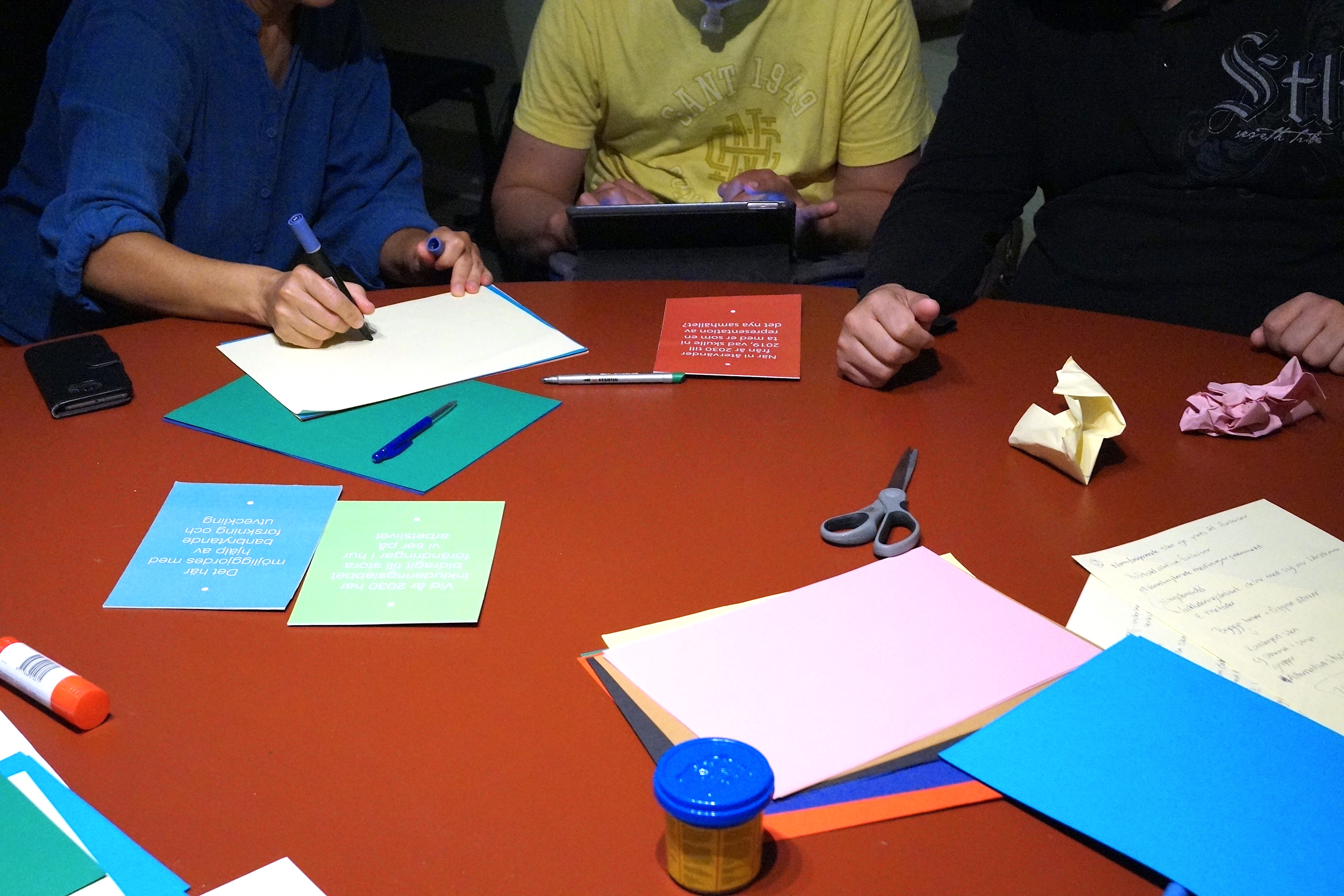
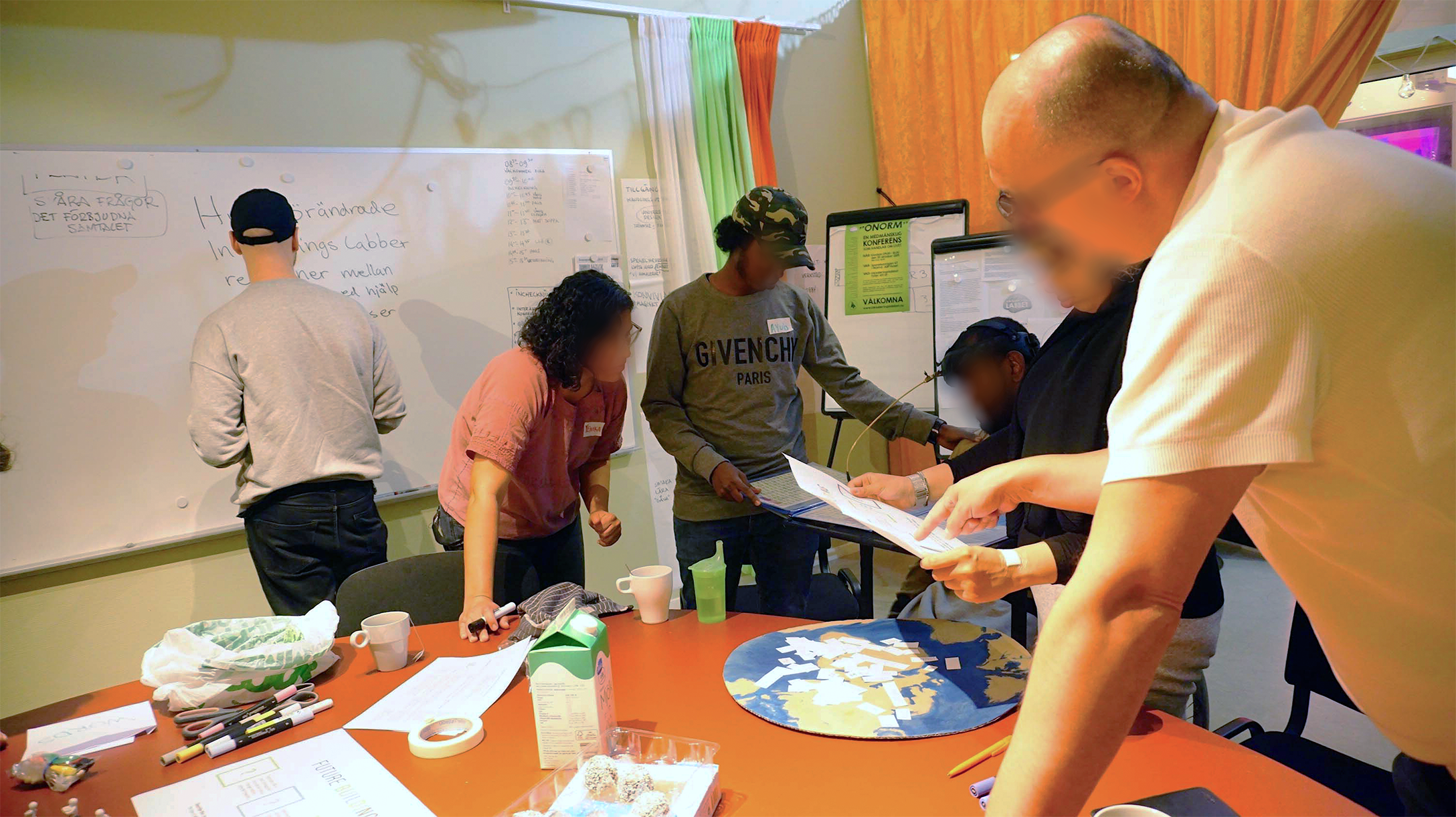
The toolkit was developed, presented and tested positively at Inkluderingslabbet's annual conference. Feedback confirmed it could help Inkluderingslabbet engage external actors.
Inkluderingslabbet then adopted the toolkit, making it open-source and autonomously using its tools. While metrics were not tracked, qualitative feedback and Inkluderingslabbet adopting the toolkit indicate it fulfills an emerging need and has potential impact.
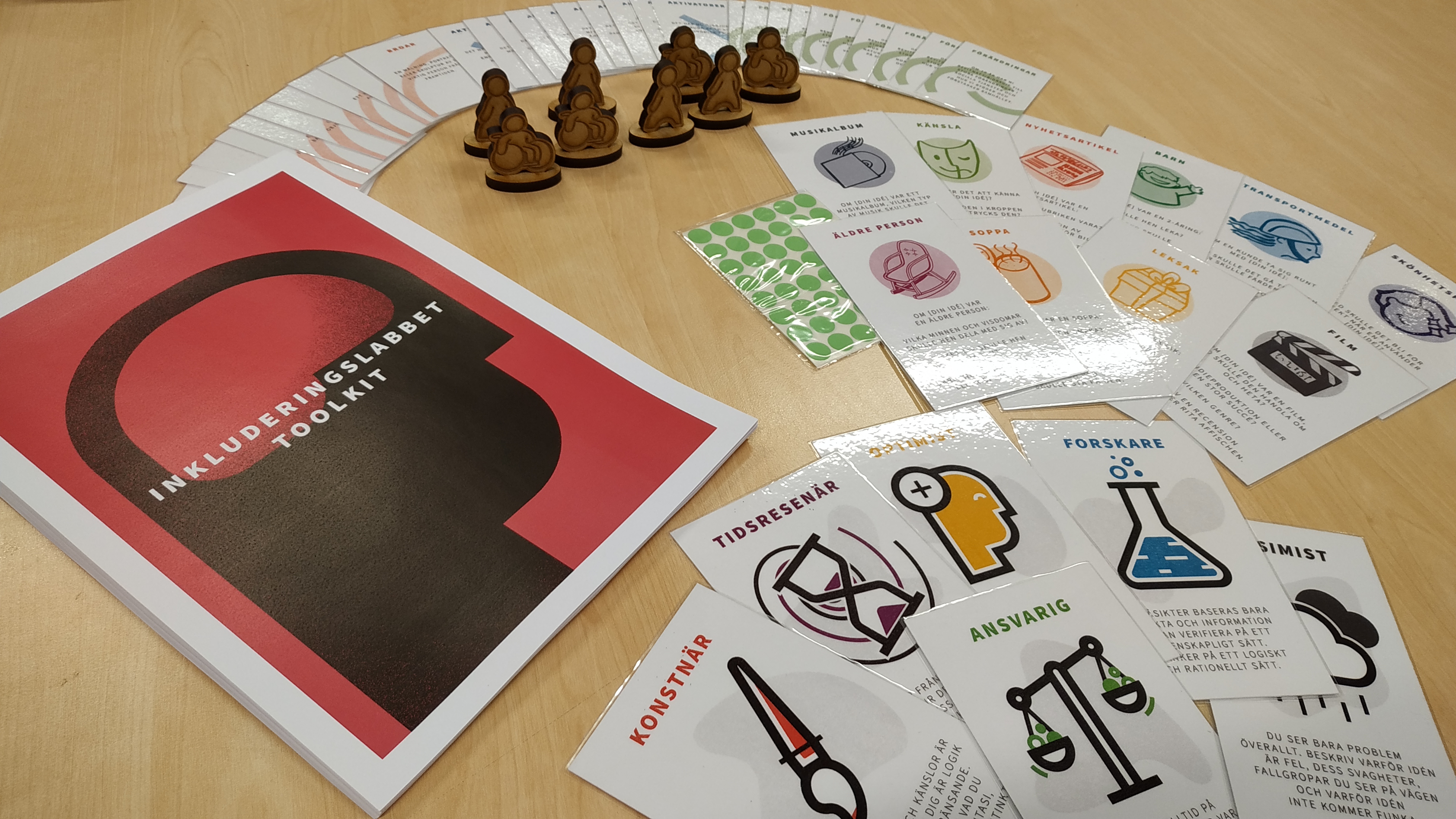
A challenge for this collaboration was that the project began without a predefined brief, requiring us to identify intervention areas and solutions through participatory processes.
Using an open participatory design approach, with multiple co-design sessions, was key both to create ownership for Inkluderingslabbet and understand how we could best support them. Our research into co-design methods itself became part of the solution, with the methods we developed becoming an integral part of the final toolkit.Inkluderingslabbet's adoption of the final toolkit demonstrated this participatory process indeed generated a relevant and useful solution. Their techniques and methods became an integrated part of the proposed toolkit, facilitating ownership and impact.
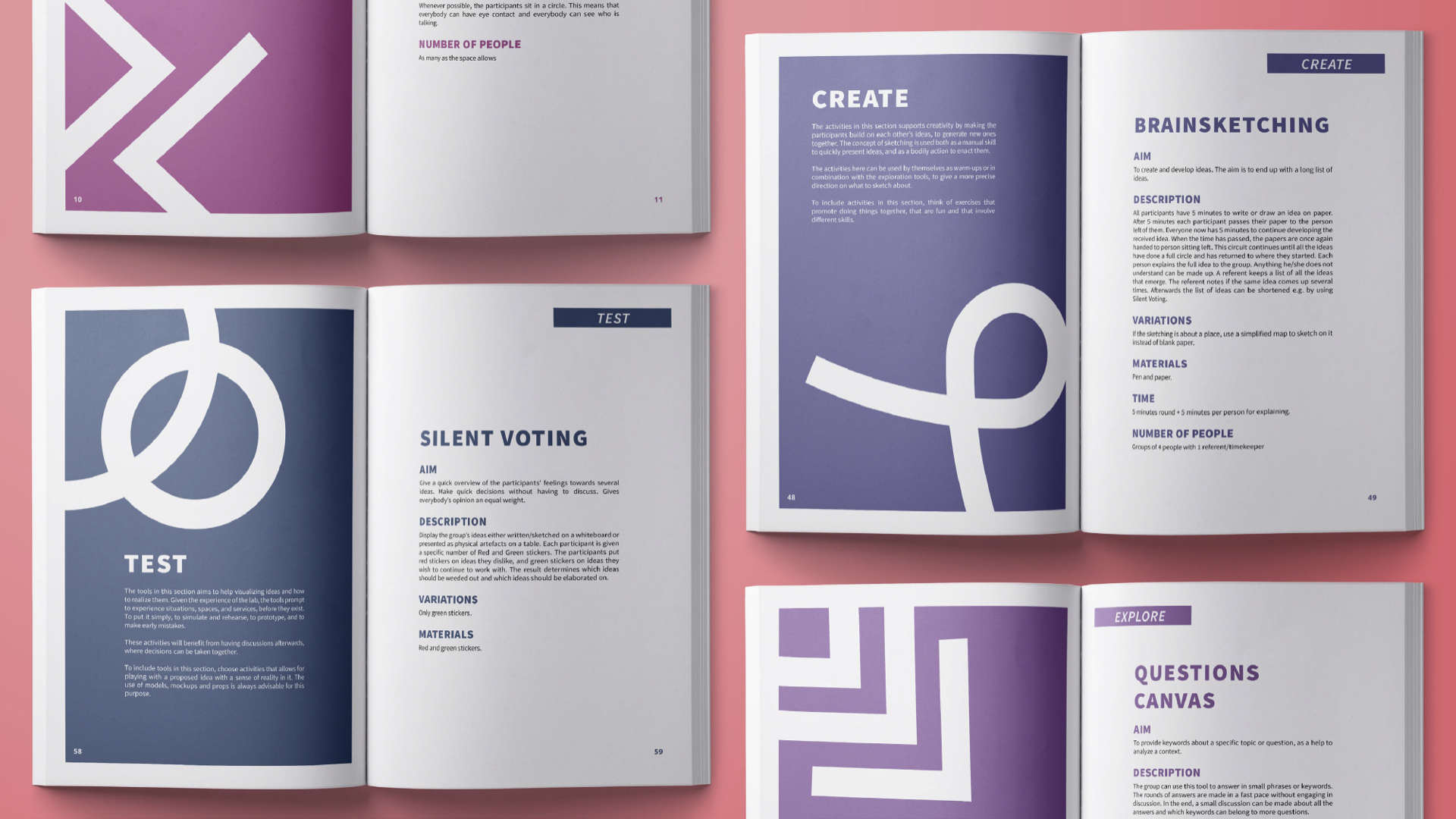


.png)